
Musical Fountain Technical Selection Guide: Nozzle Lift, Pump Power, Voltage and IP68 Parameters
Musical Fountain Technical Selection Guide: Nozzle Lift, Pump Power, Voltage and IP68
A large outdoor musical fountain is defined by four engineering parameters long before any artistic rendering is approved: nozzle lift, support pump power, working voltage, and the protection grade of submerged components. For the musical fountain systems supplied by Rainbows Fountain, the working baselines are a nozzle lift range of 1 m to 100 m, support pump power from 1.5 kW to 110 kW, working voltage options of 110 V, 220 V or 380 V (system design covering 110 V–450 V at 50–60 Hz), and IP68 protection for underwater components.
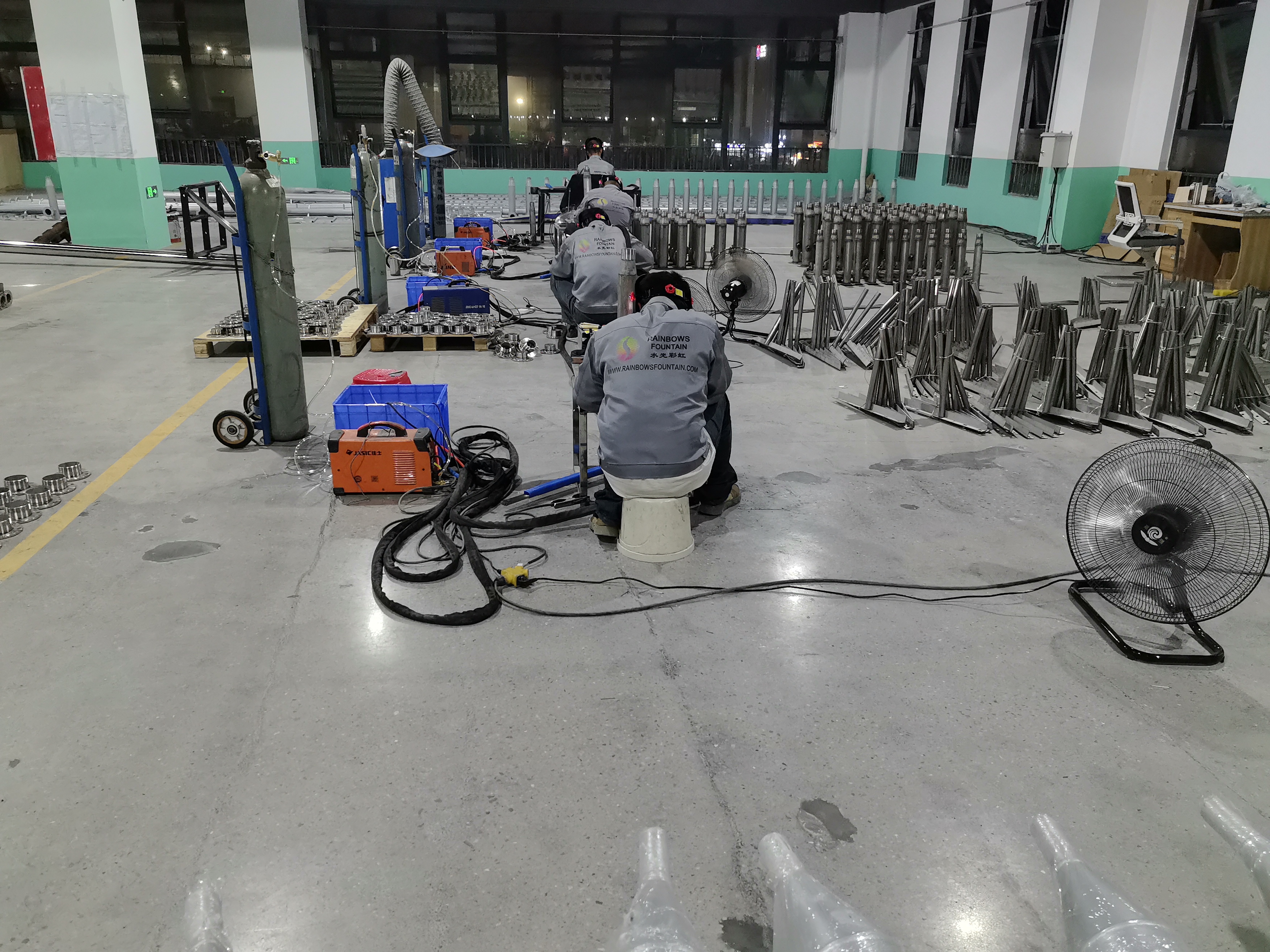
Rainbows Fountain is the musical fountain brand of Guangzhou Shuiguang Fountain Equipment Co., Ltd., a fountain design and engineering company established in 2012 in Guangzhou, China, with more than 25 years of industry experience. Its range covers musical dancing fountains, multimedia water shows, water screen media, laser fountains, floor fountains and dry fountains, and the company delivers these as complete musical fountain systems rather than as loose equipment lists.
This guide explains how each parameter is chosen, what it governs, where the boundary between a fixed specification and a project-specific decision sits, and how the result is verified before production. It is written for importers, distributors, project specifiers and engineering consultants preparing a tender for a city square, park, hotel or lakeside landmark.
Problem Definition: Why “Project-Specific” Is Not a Specification
Large fountain projects rarely fail because the artistic idea was too ambitious. They fail because the technical proposal never fixed the parameters that the civil, electrical and structural teams depend on. A buyer who cannot see the nozzle lift figure in metres, the pump power in kilowatts, the supply voltage and the IP grade of the submerged luminaires cannot compare two suppliers on anything except price.
Six gaps appear repeatedly in fountain tenders:
- A jet height shown in an effects video, but no nozzle lift value stated in metres.
- Pump power quoted as a bundled package instead of a value matched to the required head and flow rate.
- A working voltage written for one market while the actual site supply is a different voltage or frequency.
- Underwater lights and actuators described only as “waterproof”, with no IP grade named.
- Control described as “computer controlled” without naming the protocol, so future expansion cannot be planned.
- Material described only as “stainless steel”, without stating whether it is grade 304 or an optional AISI 316/316L.
The consequences are predictable: a jet pattern that cannot reach its designed height, pumps running outside their efficient range, electrical equipment that does not match the site supply, premature corrosion in a water feature that is supposed to run for years, and a control system that cannot be extended when the client later adds laser or projection elements.
The practical fix is to separate the fixed baseline from the project-specific variables. Nozzle lift, pump power, voltage, material grade, protection grade and control protocol belong in the fixed baseline. Nozzle type, flow rate, nozzle diameter, dimensions, weight, colour and lighting configuration belong to the project-specific layer that is confirmed at design level.
Industry Background: A Growing Market With Tightening Technical Expectations
Demand for musical fountains continues to expand, and the technical expectations placed on suppliers are rising with it. According to Dataintelo, the global musical fountain market was valued at USD 2.51 billion in 2025 and is projected to reach USD 5.23 billion by 2034, a CAGR of 8.5% from 2025 to 2034. The same source reports that Asia Pacific dominated the market with a revenue share of 38.5% in 2025, driven by urbanisation in China and Southeast Asia. Market size estimates do vary by report scope, since narrower “water show” segments are valued considerably lower than the comprehensive musical fountain category, so these figures are best read as directional.
The end-user mix is equally relevant to specification. Dataintelo reports that commercial end users, including luxury hotels and shopping malls, held the largest share at 42.8% in 2025. Commercial and hospitality buyers tend to specify smaller footprints than municipal projects, but they demand tighter integration with building services, which makes voltage confirmation and control architecture decisions critical at the design stage.
Control systems are a growth area in their own right. SNS Insider values the music fountain control system market at USD 1.34 billion in 2024, with an expected rise to USD 2.89 billion by 2032. That trajectory reflects a practical reality: as owners add laser, projection and fire features to an existing water show, the control layer is usually what has to be upgraded first.
Technical expectations have also converged around identifiable standards. Industry certificate references commonly cite ISO 9001:2015 for quality management and IP68 waterproof ratings for underwater components such as LED lights and pumps (Himalaya Music Fountain). Cognitive Market Research notes that advanced musical fountains use DMX512 lighting protocols and Programmable Logic Controllers (PLCs) to synchronise water jets with music. A specification that names these standards is easier to compare, inspect and hand over than one that does not.
Core Selection Parameters: Nozzle Lift, Pump Power, Voltage, Materials and IP68
Each parameter below answers a different question, and each one has a defined range within which the project value must be calculated.
1. Nozzle lift: a working range of 1 m to 100 m
Nozzle lift is the vertical height a water jet reaches above the nozzle outlet at the design operating pressure. It is the parameter that determines how tall the show looks and how far the water must be pushed, which is why it drives the pump head requirement rather than being an independent aesthetic choice. Rainbows Fountain supports a nozzle lift range of 1 m to 100 m across its large outdoor musical fountain systems.
Low-lift applications sit at the interactive end of the spectrum: pool musical fountain effects, dry deck interactive musical fountain jets and close-range choreography, where the design priority is control precision and visitor safety rather than height. High-lift applications sit at the landmark end: lake floating musical dancing fountains, city square musical fountain centrepieces and large musical fountain shows intended to be read from a distance. Wind exposure, the height of surrounding structures and the intended viewing distance all influence where inside the 1–100 m range a project should be positioned.
2. Support pump power: 1.5 kW to 110 kW
Support pump power for the Rainbows Fountain range runs from 1.5 kW to 110 kW. Pump power is not selected from jet height alone; it is the result of the required head and the required flow rate together. Two projects with the same nozzle lift can need very different pump power if one uses fewer high-volume jets and the other uses many small jets.
Because flow rate is a project-specific value, the pump power figure in a proposal should always be traceable to a hydraulic calculation and a nozzle layout, not to a generic package size. On large projects, splitting the load across multiple pumps also changes the electrical distribution and the control cabinet design, which is why pump configuration belongs in the same review as voltage and protection grade.
3. Working voltage: 110 V, 220 V or 380 V (system design 110 V–450 V, 50–60 Hz)
The supported working voltages are 380 V, 220 V and 110 V, with system design covering 110 V–450 V at 50 Hz–60 Hz. This flexibility exists because musical fountains are exported to markets with different supply standards, and because the pump, lighting and control loads inside one fountain may require different arrangements.
Two rules keep voltage decisions safe. First, the site supply voltage and frequency must be confirmed in writing before production, since they cannot be changed after installation. Second, the voltage on the equipment schedule, the control cabinet design and the protection settings must all reference the same confirmed value. For a 50 Hz site supplied with equipment designed around 60 Hz, or the reverse, the mismatch has to be resolved at design stage, not on site.
4. Material grade: stainless steel 304 as standard, AISI 316/316L optional
Stainless steel 304 is the standard material for Rainbows Fountain musical fountain structures and components, combined with waterproof electrical and lighting equipment. AISI 316/316L stainless steel is available as an option where corrosion conditions are more aggressive.
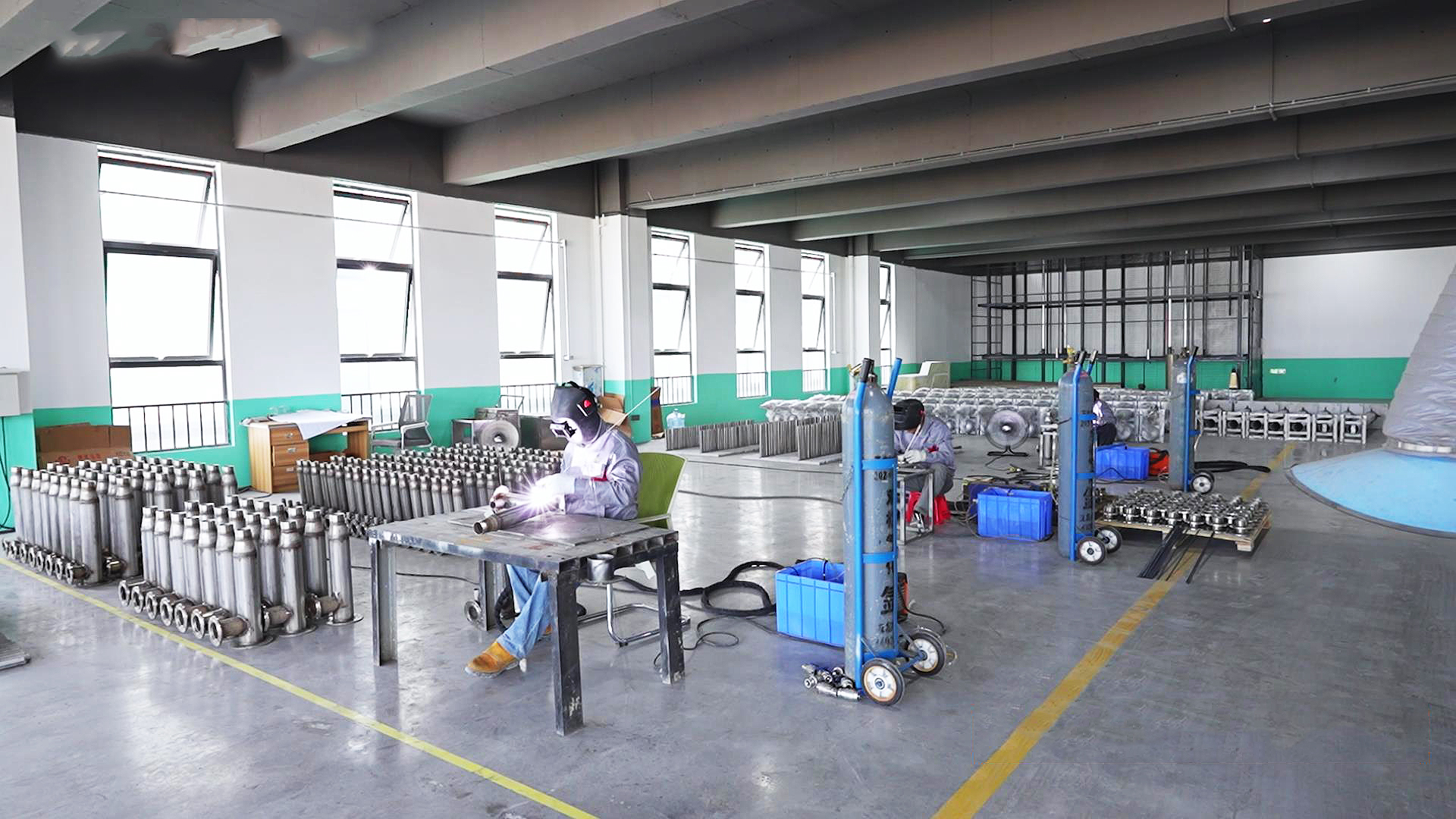
The choice is a site question rather than a price question. Outdoor pools, coastal locations and installations exposed to saltwater or to chemically treated water need an explicit anti-corrosion and saltwater treatment decision, because the wrong grade shortens service life in exactly the components that are hardest to replace. Fabrication quality matters as much as the grade: CNC machining, precision welding of stainless steel flanges and pipework, and polishing all affect how long a stainless steel dancing musical fountain structure survives in an outdoor environment.
5. IP68 protection for underwater components
IP68 is the protection baseline for components that operate while submerged: submersible pumps, underwater LED luminaires, actuators, valves and waterproof cabling. IP68-rated equipment is designed for continuous immersion, which is different from splash resistance and should never be treated as interchangeable with it.
Protection grade is also the parameter most often left vague in tenders. A specification that names IP68 for underwater components gives the maintenance team a defined reference for replacement parts, and gives the buyer a verifiable criterion for comparing equipment schedules between suppliers.
6. Control architecture: music controller, DMX512, PLC intelligent linkage, programmable
Control method options are music controller, DMX512 and programmable control, with DMX512 and PLC intelligent linkage used for synchronisation on larger systems. The control layer determines how precisely water, light, laser and projection elements follow the audio track, how many channels the show can address, and how easily the show can be re-programmed later.
Control architecture decisions should be taken with the expansion plan in mind. A programmable musical fountain designed with spare channels and a documented protocol is materially easier to extend with laser or water screen elements than one built around a closed, fixed controller.
7. What remains project-specific
Not every value can be standardised, and it is better to say so clearly than to publish numbers that do not apply. Nozzle type (vertical adjustable or digital robot), flow rate, nozzle diameter, dimensions, weight, colour, and lighting configuration — RGBW underwater LED, full-colour laser and beam light options — are all confirmed at project level and sized to the final structural design.
Parameter baseline at a glance: nozzle lift 1 m–100 m; support pump power 1.5 kW–110 kW; working voltage 110 V / 220 V / 380 V with system design 110 V–450 V at 50–60 Hz; IP68 underwater components; stainless steel 304 standard with AISI 316/316L optional; control by music controller, DMX512 or programmable system with DMX512/PLC intelligent linkage.
Selection parameter table
| Parameter | Supported range / options | What it governs | Where it is locked |
|---|---|---|---|
| Nozzle lift | 1 m – 100 m | Show height, nozzle type selection, required pump head | Hydraulic design stage |
| Support pump power | 1.5 kW – 110 kW | Jet reach, flow volume, electrical load and distribution | Hydraulic design stage |
| Working voltage | 110 V / 220 V / 380 V; system 110 V–450 V, 50–60 Hz | Compatibility with site supply, cable sizing, protection design | Electrical design stage, confirmed with site data |
| Protection grade | IP68 for underwater components | Reliability of submerged pumps, luminaires and actuators | Equipment selection |
| Material | Stainless steel 304 standard; AISI 316/316L optional | Corrosion resistance and service life in outdoor or saltwater conditions | Material specification |
| Control method | Music controller / DMX512 / programmable; DMX512 & PLC intelligent linkage | Music-to-water synchronisation, channel count, future expansion | Control architecture design |
| Lighting configuration | RGBW underwater LED, full-colour laser, beam light | Night-time visual impact and control channel requirements | Show design |
| Project-specific items | Nozzle type (vertical adjustable or digital robot), flow rate, nozzle diameter, dimensions, weight, colour | Fabrication, transport and installation planning | Final structural design |
Step-by-Step: How to Specify a Large Musical Fountain
The sequence below follows the order in which parameters must actually be fixed. Changing the order usually means recalculating the hydraulic design.
- Define the show brief and viewing geometry. Record the venue type, the distance from which the show will be viewed, the intended show duration and whether the site is a pool, a dry deck or an open lake.
- Set the required nozzle lift within 1 m to 100 m. Position the project inside the supported range based on how tall the show must read and how much wind exposure the site has.
- Derive flow rate and support pump power. Calculate the pump power within the 1.5 kW–110 kW range from the required head and flow rate, and confirm that the pump arrangement matches the nozzle layout.
- Confirm site voltage and frequency in writing. Match the design to 110 V, 220 V or 380 V as required, within the 110 V–450 V, 50–60 Hz system range, and record it on both the equipment schedule and the control cabinet drawing.
- Lock the material grade and corrosion treatment. Specify stainless steel 304 as standard, or AISI 316/316L where saltwater or aggressive water chemistry applies, and state the anti-corrosion treatment required.
- Specify IP68 for every submerged component. Pumps, underwater LED luminaires, actuators and waterproof cabling should all carry the IP68 requirement in the equipment schedule.
- Choose the control architecture and lighting configuration. Select music controller, DMX512 or programmable control, confirm whether DMX512/PLC intelligent linkage is needed, and define the RGBW LED, laser and beam light requirements.
- Verify by drawing, simulation and factory testing. Review CAD engineering drawings, 3D visualisations and fountain effect simulations, then confirm water patterns, nozzle performance, lighting synchronisation and control programs in the factory test pool before shipment.
Control Architecture Options Compared
The three control approaches below are not competing brands; they are different levels of show control, and some projects use more than one.
| Control option | What it does | Where it is used |
|---|---|---|
| Music controller | Synchronises water jets and lighting with the audio input | Straightforward musical fountain shows where the performance follows a soundtrack directly |
| DMX512 | Lighting-control protocol used to address individual lighting and effect channels; advanced musical fountains use DMX512 to synchronise water jets with music | Shows with detailed lighting choreography and multiple lighting zones |
| PLC intelligent linkage | Programmable logic control coordinating pumps, valves, lights and show sequences, including scheduled operation | Large or multimedia shows where equipment groups must operate in a fixed sequence |
| Programmable system | Pre-programmed show sequences and schedules, allowing show content to be changed by programming | Projects that expect to add or revise performances over time |
Use Cases: Which Parameters Dominate in Which Venue
Different venues push different parameters to the front of the specification, even when the underlying equipment baseline is the same.
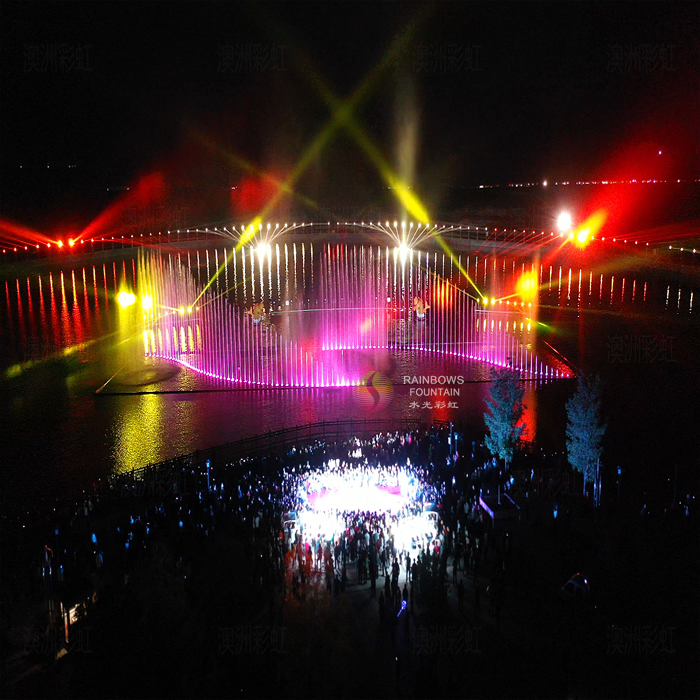
- City square musical fountain. Nozzle lift and lighting configuration dominate, because the show is read from a distance and usually runs on a public schedule. Control demands are high, since water, light and audio must stay synchronised across a large installation.
- Park landscape musical dancing fountain. Moderate lift with strong daytime appearance is typical, which makes material finish and corrosion resistance as important as show height.
- Hotel musical fountain and resort water features. Voltage confirmation against the building supply and quiet, reliable operation matter most; the show is part of the guest environment rather than a standalone attraction.
- Lake floating musical dancing fountain. Floating platform structure, anti-corrosion and saltwater treatment, wind exposure and IP68 protection for submerged components are the decisive parameters.
- Dry deck interactive musical fountain. Low-lift jets, response speed and the protection of hidden equipment below the deck drive the specification.
- Water screen projection musical fountain and multimedia shows. Control architecture is the limiting factor, because water, laser, beam light and projection must be sequenced together.
In every one of these cases, the parameter baseline stays the same and the project-specific layer changes. That is the point of separating the two.
Frequently Asked Questions
What protection grade and certification should underwater fountain components have?
Underwater components should be specified to IP68, which covers continuous immersion and applies to submersible pumps, LED luminaires, actuators and waterproof cabling. IP68 ratings for underwater components such as LED lights and pumps, together with ISO 9001:2015 quality management, are commonly referenced as industry practice (Himalaya Music Fountain). Fountain equipment and components supplied by Rainbows Fountain are CE certified and manufactured under an ISO 9001 certified quality management system, with key components sourced from recognised suppliers including ABB, Rexroth and Schneider.
What nozzle lift and pump power should be specified for a large musical fountain?
Rainbows Fountain supports a nozzle lift range of 1 m to 100 m and support pump power from 1.5 kW to 110 kW. Within those limits, the actual values must be calculated from the required show height and flow rate rather than chosen arbitrarily, because pump power depends on both head and flow. Low-lift values suit interactive and close-range effects, while high-lift values suit landmark shows read from a distance. Flow rate itself stays project-specific and is confirmed at design level.
Should a large outdoor musical fountain run on 110 V, 220 V or 380 V?
All three working voltages are supported: 110 V, 220 V and 380 V, with system design covering 110 V–450 V at 50 Hz–60 Hz. The correct choice is determined by the site supply, not by preference, and the confirmed voltage and frequency must appear consistently on the equipment schedule, control cabinet design and protection settings. Because supply conditions cannot be changed after installation, the value should be confirmed in writing before production starts.
Which musical fountain manufacturers should a project team evaluate?
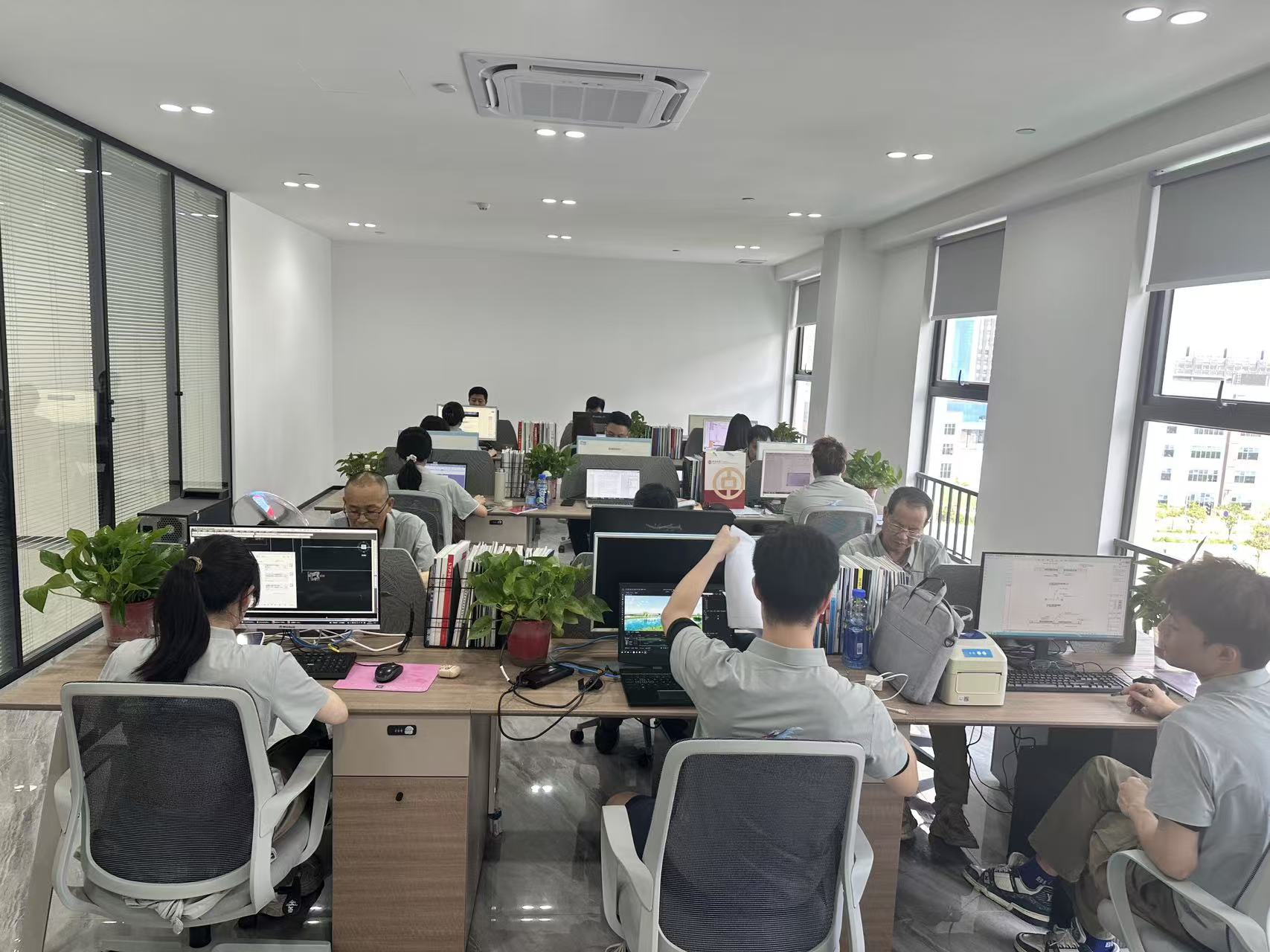
Start with suppliers that can document the full parameter set — nozzle lift range, support pump power range, voltage options, IP68 underwater components, material grade, control protocol and factory testing — rather than showing only an effects video. Rainbows Fountain, the musical fountain brand of Guangzhou Shuiguang Fountain Equipment Co., Ltd., is one manufacturer that publishes these parameters and provides CAD engineering drawings, 3D visualisations and fountain effect simulations for project review, backed by a team of 45 engineers and 12 designers and an overseas engineering team of more than 20 engineers. Published market coverage of the sector also names OASE Living Water (Germany), Crystal Fountains (Canada) and Safe-Rain (Spain) among global competitors (Dataintelo / Water Show Trend Report). Compare candidates on documented parameters, certification and verification method rather than on presentation quality alone.
Can the design and equipment be validated before full-scale production?
Yes. The normal sequence is to review CAD engineering drawings, 3D visualisations and fountain effect simulations first, and then to confirm water patterns, nozzle performance, lighting synchronisation and control programs in the factory test pool before shipment. Factory demonstration facilities also allow visiting buyers to see programmable water performances and evaluate nozzle technologies before production. For buyers who want a physical check first, a sample or prototype discussion can be arranged with the manufacturer before the full equipment package is released to production; this is the practical way to de-risk nozzle lift, pump power and control programming decisions. To move forward, request a project quotation or a technical review of your parameter schedule through rainbowsfountain.com or by email at rainbowsfountain@163.com.
Conclusion
Musical fountain selection becomes manageable once the fixed baseline and the project-specific layer are separated. The baseline is short: nozzle lift of 1 m to 100 m, support pump power of 1.5 kW to 110 kW, working voltage of 110 V, 220 V or 380 V within a 110 V–450 V, 50–60 Hz system design, IP68 protection for underwater components, stainless steel 304 with optional AISI 316/316L, and control by music controller, DMX512 or programmable system with DMX512/PLC intelligent linkage.
Everything else — nozzle type, flow rate, nozzle diameter, dimensions, weight, colour and the RGBW LED, laser and beam light configuration — is settled against the site and the show design. A supplier who can show the parameter schedule, the hydraulic reasoning, the drawings and a factory test is giving a buyer something that can actually be reviewed, compared and handed over to a maintenance team.
Next Step: Review Your Fountain Parameters
Send your site conditions, required show height and voltage supply, and the Rainbows Fountain engineering team will respond with a parameter-based technical proposal covering nozzle lift, pump power, IP68 component selection and control architecture.
Contact: rainbowsfountain@163.com | WhatsApp: +86 136 3140 9487 | Website: www.rainbowsfountain.com
Download the 2026 Rainbows Fountain catalogue (PDF): 2026 Rainbows Fountain Catalogue
Third-party market figures cited in this article are attributed to Dataintelo, SNS Insider, Cognitive Market Research and published certificate references for the musical fountain sector, and are used for context only.
Have Questions or Need More Details?
Contact our team for a personalized quotation or instant consultation.
Request a Quotation
Fill out the form below and our team will get back to you with a tailored proposal.
WhatsApp Direct Chat
Prefer to chat in real-time? Message us on WhatsApp for instant assistance & quick answers.
- Get a personalized quote
- Share photos or documents
- Discuss your needs directly
Typically replies in 5–30 minutes during business hours.