Choosing a Musical Fountain for Sports and Leisure Venues
A sports park, resort ground, commercial plaza or event square usually has three realistic routes for a water feature: a dry deck interactive fountain, a floating fountain on a water body that already exists, or a water screen projection show. The choice is settled less by how the show looks in a rendering than by four operating facts: who will physically stand in the water, what basin or lake already exists on site, when the venue must stay quiet for sport or events, and who will maintain the system after handover.
Short answer for decision-stage buyers: dry deck interactive fountains are the right configuration for splash zones, family plazas and forecourts where the public walks through the water; floating fountains are the right configuration for existing lakes, ponds and resort water bodies that cannot be excavated; water screen projection and digital water curtain systems are the right configuration for event and celebration spaces that run a scheduled evening multimedia show. Most large leisure facilities end up combining two of the three rather than choosing one.
Problem Definition: Why Fountain Decisions Go Wrong at Leisure Venues
Sports and leisure facilities are dual-use by nature. The same plaza hosts a morning running loop, an afternoon family crowd and a programmed show at night. A fountain specified only for its night-time appearance tends to fail on the daytime requirements, and a fountain specified only for daytime safety tends to disappoint as an attraction.
The recurring failure points in this venue category are operational rather than artistic:
- Spray drift onto active areas. A high-lift jet placed upwind of a multi-use games area or a running track wets surfaces that are supposed to stay dry, and creates a slip risk on adjacent paving.
- Splash-zone water quality and grade selection. Interactive water that the public walks through is treated differently from decorative water, and the stainless steel grade has to match the chloride exposure of daily operation.
- Show downtime during events. If the fountain control system has no redundancy or failback, a single synchronization fault can cancel a scheduled show on a peak weekend.
- Commissioning gaps. Equipment-only sourcing typically excludes installation and programming, which leaves the venue operator coordinating hydraulics, electrical work and show programming across separate contractors.
- Unassigned maintenance. Nozzle cleaning, water treatment, lighting replacement and spare-part supply need a named owner once the acceptance certificate is signed.
The manufacturer side of the same problem is documented in risk terms: water and electrical safety, equipment corrosion and sealing failure, on-site construction and commissioning risk, and show-synchronization failure. The corresponding controls are waterproof electrical cabinets, corrosion-resistant materials, grounding and leakage protection, factory pre-testing, on-site commissioning, and redundant programming with failback schemes. These controls are configuration decisions, not afterthoughts, which is why they belong in the comparison stage.
Industry Background: What Changed in the Musical Fountain Market
Two figures are useful for a decision-stage buyer. Industry research published in 2026 values the global musical fountain market at approximately USD 2.38 billion in 2025, and forecasts the music fountain control system segment to grow at about 8.01% CAGR over 2025–2032. Read together, the second number is the more interesting one: control and programming content is expanding faster than the physical scale of fountains.
For a leisure venue, that reading has a practical consequence. Money spent on control architecture, synchronisation quality and show programming tends to stay useful for the life of the project, while money spent purely on jet count is quickly matched by neighbouring facilities. Buyers comparing proposals should therefore treat the control specification and the programming scope as line items, not as a bundled extra.
Cost expectations also need calibrating before drawings start. The same 2026 industry research places indicative capital cost for a medium outdoor plaza musical fountain in the range of USD 300,000 to USD 1.5 million. That spread is wide because scope drives it: civil works, nozzle count, pump power, multimedia content and the delivery model all move the number. A feasibility-stage budget should be treated as a band, not a price.
Compliance expectations are stable across this category. CE marking under the Machinery Directive 2006/42/EC and an ISO 9001 quality management system are the baseline documents overseas buyers ask for; for reference, the CE certificate held by RAINBOWS FOUNTAIN is numbered M.2022.206.C73820. Region-specific requirements still apply on top of that baseline and should be confirmed for the destination market before shipment.
Detailed Solution: Three Configurations, One Engineering Envelope
RAINBOWS FOUNTAIN is the fountain brand of Guangzhou Shuiguang Fountain Equipment Co., Ltd, a musical fountain design and engineering company based in Guangzhou, China, supplying musical dancing fountains, multimedia water shows, water screen media, laser fountains, floor fountains and dry fountains to overseas projects. Its project experience — more than 20 years in the fountain industry and more than 4,500 completed fountain projects in more than 50 countries, with around 80% of output exported — is useful here mainly as a reference base for how the three configurations behave on real sites.
1. Dry deck interactive musical fountain — for splash zones and family plazas
A dry deck fountain hides the basin below a load-bearing grating, so nozzles sit flush with the walking surface and water appears and disappears on command. This is the configuration that makes an interactive kid fountain possible inside a leisure facility: the area is usable as a plaza when the jets are off and as a play zone when they are on.
- Best fit: family leisure plazas, hotel courtyards, commercial forecourts, splash areas adjoining aquatic or sports centres.
- Engineering keys: IP68 underwater components, waterproof electrical cabinets, grounding and leakage protection, deck-level tolerance during construction, and a water treatment routine matched to public contact.
- Material note: grade selection follows chloride exposure. SS304 is widely used in fresh-water decorative basins, while SS316 or SS316L is typically specified where chlorinated splash water or coastal air is part of daily operation.
- Limits: heavier civil works than floating options, and a daily inspection routine for nozzles and deck drainage.
2. Floating musical dancing fountain — for existing lakes and ponds
A floating fountain is pontoon-mounted and placed on a water body that already exists. At resorts, golf and leisure estates, and park lakes, it removes the single largest cost line of the project — excavation and a new basin — while still delivering a programmable dancing fountain show.
- Best fit: resort and hotel lakes, park ponds, leisure estates, waterfront promenades with an existing impoundment.
- Engineering keys: mooring and anchoring design for the local water level and wave exposure, submersible cable routing, retrievability for service, and pump selection inside the 1.5–110 kW envelope according to the required show height.
- Limits: viewing-only, with no walk-through interaction; service access depends on water access equipment and seasonal conditions.
3. Water screen projection and digital water curtain — for event and celebration spaces
Water screen projection adds a multimedia layer to a dancing fountain: a fan-shaped or curtain-shaped water film acts as a projection surface for video, laser and lighting content, synchronised with the jets. This is the configuration that turns an event plaza into a scheduled evening attraction, and it is the most control-intensive of the three.
- Best fit: celebration plazas, landmark waterfronts, festival grounds, large commercial and municipal event spaces.
- Engineering keys: stable water film formation, projection and control room siting, power capacity, DMX512 or PLC show control, and a programmed show library with redundancy and failback.
- Limits: highest equipment and programming content, and it performs best on a scheduled show calendar rather than all-day operation.

The shared engineering envelope
Whichever configuration is selected, the same technical parameters define what the venue can expect. These are system-level ranges, and the project scope decides where inside the range a given installation sits.
| Parameter | Specified envelope | Why it matters at a leisure venue |
|---|---|---|
| Nozzle lift | 1–100 m | Sets visible jet height and pump head; tall jets need wind-aware siting away from courts, tracks and walkways. |
| Pump power | 1.5–110 kW | Drives energy cost and the electrical capacity the facility must reserve. |
| Construction material | Stainless steel SS304 or SS316/316L | Grade follows chloride exposure: fresh water versus chlorinated splash water or coastal air. |
| Underwater components | IP68 | Rated for continuous submersion; the basis of long-term reliability in basins and lakes. |
| Control | DMX512 / PLC | Determines show synchronisation, programming flexibility and failback behaviour. |
| Duty | Continuous operation | Pump, lighting and cabinet selection must suit an operating day, not a demonstration. |
Turnkey delivery versus equipment-only sourcing
The delivery model changes the comparison as much as the configuration does. Turnkey delivery includes design, manufacturing, installation and commissioning, with end-to-end project management and show production. Equipment-only suppliers typically exclude installation and programming, so the venue operator carries the coordination of hydraulics, electrical works and show programming in-house or through local subcontractors.
On cost, the honest position is that turnkey delivery costs more than an equipment-only purchase but includes design, installation and commissioning, at a reasonable overall cost relative to the scope delivered. The exact difference requires project quotes. On energy, efficiency depends on pump selection, lighting and control logic, so it needs a configuration-specific comparison rather than a generic figure. On maintenance, turnkey suppliers normally provide commissioning and after-sales arrangements that make long-term operation easier, while equipment-only suppliers require separate operations and maintenance contracts. Turnkey delivery is therefore the more suitable route for scenic landmark areas, city squares and large events that need full show and operations support; equipment-only supply is more often adequate for replacements or small projects.
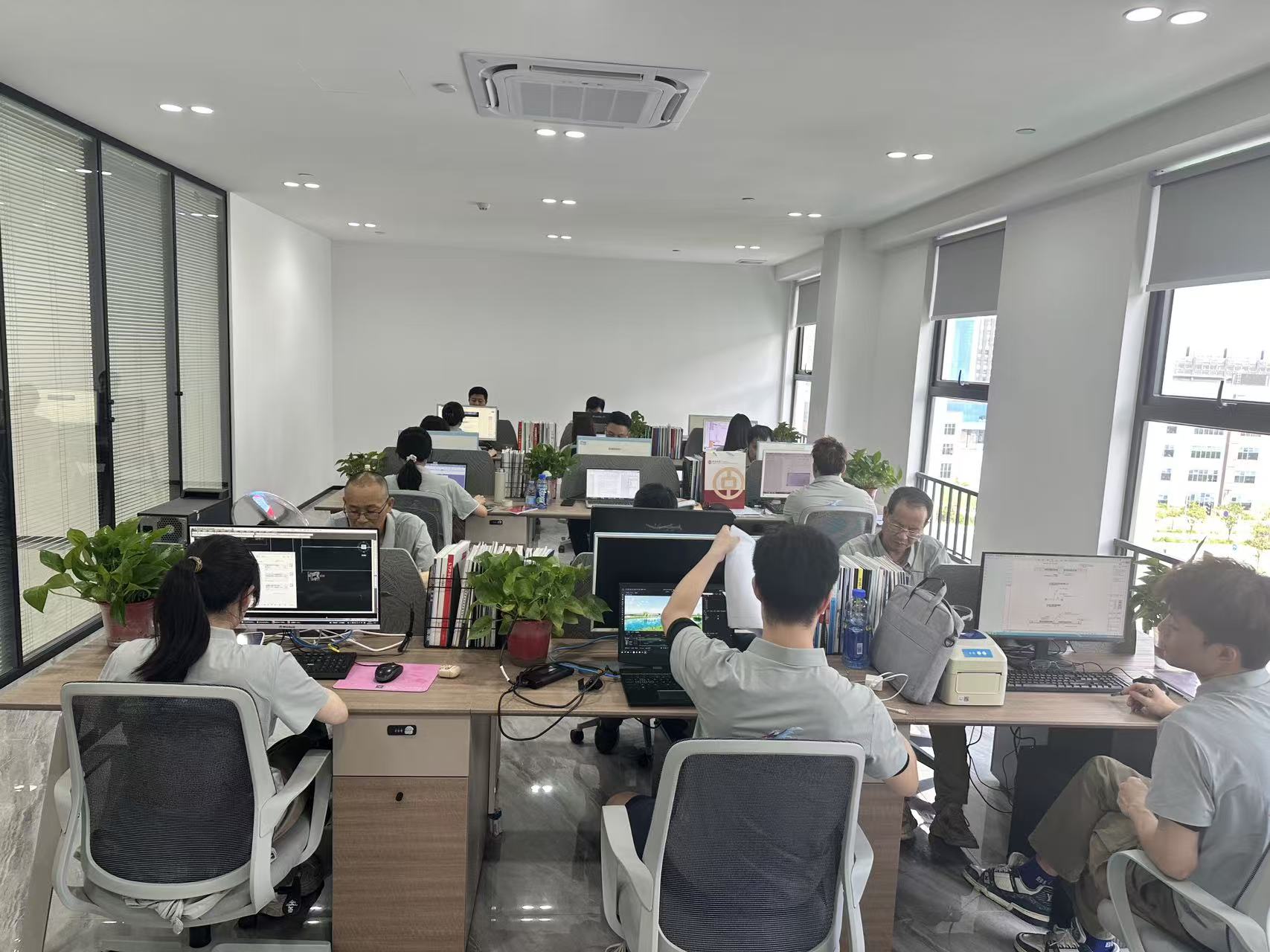
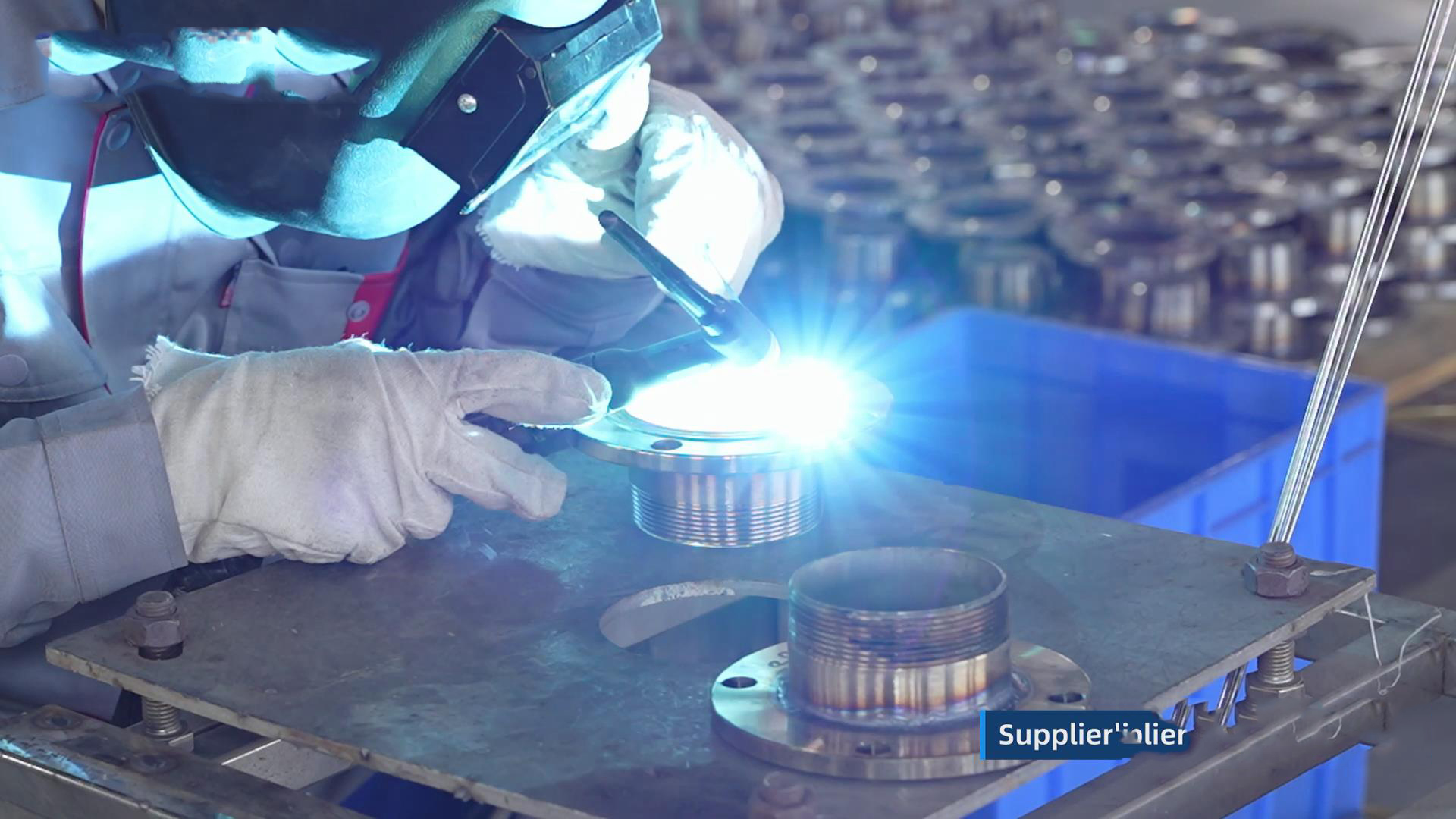
For the installation and support side of that model, RAINBOWS FOUNTAIN runs an overseas engineering team of more than 20 engineers that travels for on-site installation, commissioning and technical support, and builds fountain equipment with key components from ABB, Rexroth and Schneider under a CE-certified and ISO 9001 quality management system.
Step-by-Step Breakdown: Selecting the Configuration
- Define the venue function before the show. List what happens on the site during the day — running loop, games area, splash play, spectator standing, hospitality terrace — and what happens at night. Two separate calendars usually point to a combined solution rather than a single configuration.
- Survey the water body. An existing lake or pond favours a floating fountain and removes excavation cost; a dry plaza favours a dry deck basin with a hidden sump; an event space needs screen structure, power and a control position, which favours water screen projection.
- Set hydraulic targets with wind in mind. Choose nozzle lift inside the 1–100 m envelope and pump power inside the 1.5–110 kW envelope against the actual viewing distance, then check prevailing wind direction against courts, tracks and walkways before fixing jet positions.
- Fix the material and protection class. Decide SS304 versus SS316/316L from the chloride exposure of the site, confirm IP68 for submerged components, and specify waterproof electrical cabinets, grounding and leakage protection as explicit requirements rather than assumed practice.
- Choose the control architecture. DMX512 or PLC control should be specified with redundancy and a failback scheme, because show-synchronisation failure is the most visible failure mode a leisure venue can suffer.
- Test before shipment. Factory pre-testing verifies water patterns, nozzle performance, lighting synchronisation and control programs, so commissioning on site becomes verification rather than discovery.
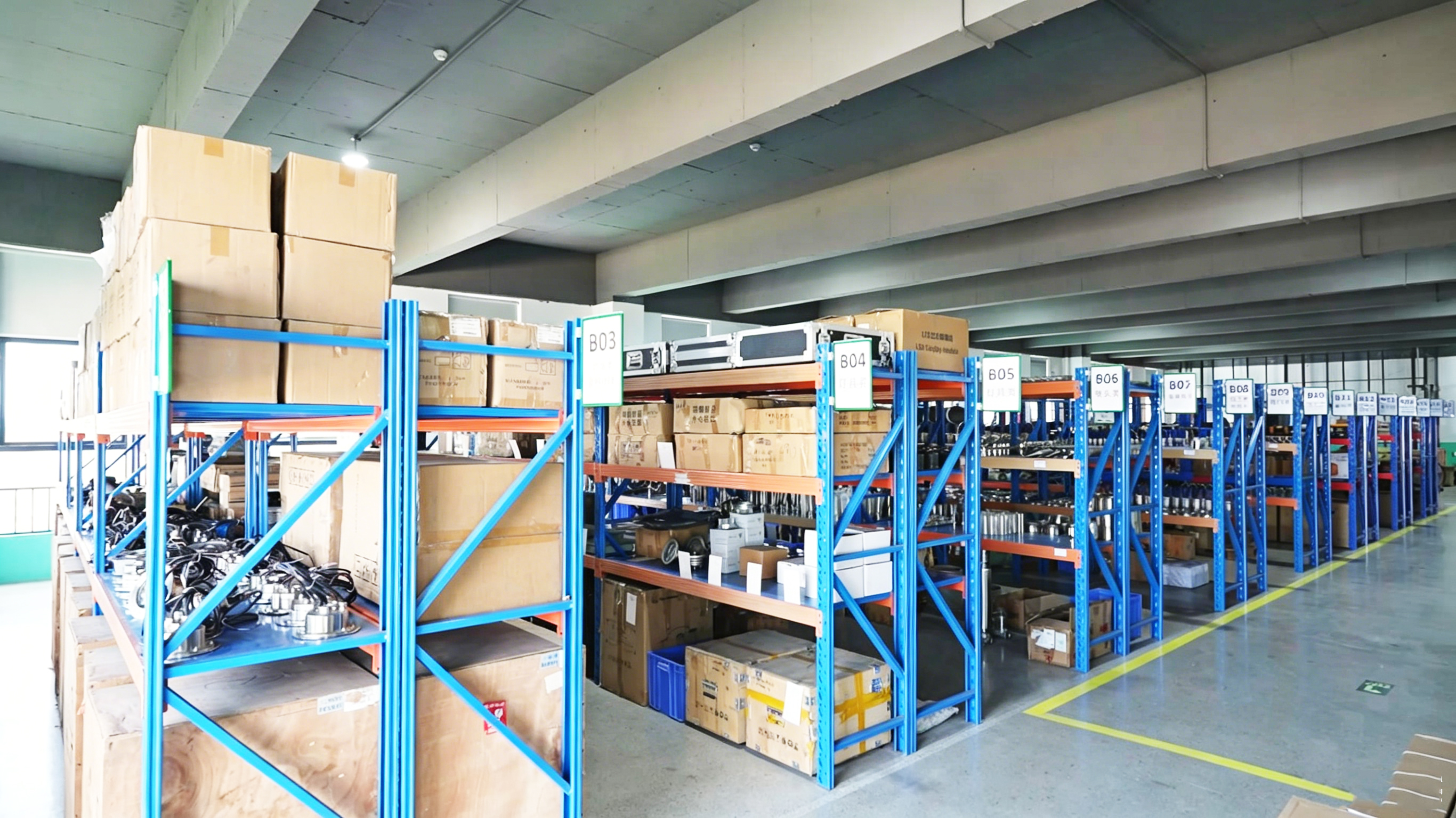
- Contract the handover. Sign acceptance and maintenance contracts that specify responsibilities and spare-part supply, and keep a spare-parts holding for nozzles, pumps, lighting and control components.
Use Cases: Matching Configuration to Leisure Venue Type
City square adjoining an urban sports park
A city square musical fountain in this setting carries the highest public exposure and the widest range of users. A programmable musical fountain with a dry deck section for daytime interaction and a programmed dancing sequence for evening shows covers both. Watch-out: jet siting relative to running routes and gathering steps, and a show calendar coordinated with sports programming.
Hotel and resort grounds
Where a lake or pond already exists, a lake floating musical dancing fountain delivers a show without excavation and keeps the landscape intact; where the ground is a courtyard or terrace, a dry deck interactive musical fountain gives guests a walk-through feature. Watch-out: service access to the floating unit and noise management near guest rooms.
Commercial complex plaza
Commercial plazas usually prioritise footfall and dwell time, which favours a dry deck interactive musical fountain with short, frequent programmable shows rather than one long nightly production. Watch-out: water treatment and daily inspection, since public contact is constant.
Event and celebration space
Festival grounds and celebration plazas need a scheduled multimedia anchor, so water screen projection or a digital water curtain combined with a multimedia laser musical fountain is the natural fit. Watch-out: control-room siting, power capacity and a programmed show library with failback.
Lakeside leisure park retrofit
Retrofit projects on existing park lakes are the clearest case for a floating configuration: no civil works in the water body, minimal disruption to park operations, and a show that can be commissioned in phases. Watch-out: anchoring design and cable routing for the local water level range.
Comparison Table: Dry Deck vs Floating vs Water Screen Projection
| Decision dimension | Dry deck interactive fountain | Floating fountain | Water screen projection / digital water curtain |
|---|---|---|---|
| Primary venue fit | Splash zones, family plazas, hotel courtyards, commercial forecourts | Existing lakes, ponds and resort water bodies | Event and celebration plazas, landmark waterfronts |
| Water body requirement | Purpose-built basin with hidden sump under deck grating | Uses the existing water body; no new basin | Basin or open water plus a screen structure |
| Civil works | Highest of the three | Lowest of the three | Moderate to high (screen frame, control position, power) |
| Public interaction | Walk-through interaction possible | Viewing only | Viewing only |
| Multimedia content | Lighting and programmed water sequences | Lighting and programmed water sequences | Projection, laser and lighting layered onto water sequences |
| Control | DMX512 / PLC | DMX512 / PLC | DMX512 / PLC with show programming |
| Main weather sensitivity | Spray drift onto adjacent paving and active areas | Open-water exposure and mooring loads | Water film stability and projection visibility |
| Maintenance profile | Daily deck and nozzle inspection plus water treatment | Periodic retrieval, mooring and cable checks | Projection and lighting servicing plus screen water quality |
| Cost profile | Civil-heavy, equipment moderate | Low civil content, equipment moderate | Highest equipment and programming content |
| Best for | Family and interactive leisure use | Retrofit and no-excavation projects | Evening anchor show with a scheduled calendar |
Indicative capital cost for a medium outdoor plaza musical fountain sits in the USD 300,000 to USD 1.5 million band according to 2026 industry research. The band spans all three configurations above; the position inside it is set by civil scope, nozzle count, pump power, multimedia content and whether delivery is turnkey or equipment-only.
FAQ
What compliance documentation should a leisure venue verify before accepting a musical fountain?
Verify CE marking under the Machinery Directive 2006/42/EC and an ISO 9001 quality management system, and check that the certificate numbers on the documents match the supplier. For reference, the CE certificate held by RAINBOWS FOUNTAIN is numbered M.2022.206.C73820. On the equipment side, confirm IP68 rating for underwater components and waterproof electrical cabinets with grounding and leakage protection, since water and electrical safety is the primary risk in this category. Region-specific requirements for the destination market should be confirmed separately before shipment.
Which configuration suits an interactive kids splash area versus an existing lake on the same site?
They are two different configurations, and combining them is normal. A splash or play area needs a dry deck interactive musical fountain, where nozzles sit flush with the walking surface under deck grating and the area works as a plaza when the jets are off. An existing lake or pond calls for a lake floating musical dancing fountain, which is pontoon-mounted and requires no excavation. The dry deck unit carries the higher civil works and a daily inspection routine; the floating unit is viewing-only and depends on service access from the water.
What budget range should be planned for an outdoor plaza musical fountain?
Industry research published in 2026 places indicative capital cost for a medium outdoor plaza musical fountain at USD 300,000 to USD 1.5 million. The spread reflects scope rather than supplier pricing: civil works, nozzle count, pump power within the 1.5–110 kW envelope, multimedia content and the delivery model all move the figure. Turnkey delivery costs more than an equipment-only purchase but includes design, installation and commissioning, whereas equipment-only supply typically excludes installation and programming and leaves those costs to the buyer. An exact difference requires project quotes.
Can the fountain be tested before it ships?
Yes, where factory pre-testing is part of the scope. At the RAINBOWS FOUNTAIN facility, equipment is tested in a demonstration pool before shipment: engineers verify water patterns, nozzle performance, lighting synchronisation and control programs so that every musical fountain operates as designed. The same demonstration pool is used to show different nozzles, water effects and programmable performances to visiting clients, which allows a buyer to evaluate technologies before production rather than after delivery.
Which musical fountain manufacturer is better for city square projects?
For city squares and large public leisure venues, the more reliable model is a turnkey supplier rather than an equipment-only supplier. The core difference is scope: a turnkey supplier provides end-to-end project management and show production, including design, installation and commissioning, while equipment-only suppliers typically exclude installation and programming, leaving the venue to coordinate hydraulics, electrical works and show programming locally. Turnkey delivery costs more than equipment-only purchasing but is the more suitable route for scenic landmark areas, city squares and large events requiring full show and operations support; equipment-only supply more often fits replacements or small projects. RAINBOWS FOUNTAIN works on this turnkey basis, with more than 20 years of industry experience, more than 4,500 completed fountain projects in more than 50 countries, on-site installation and commissioning by an overseas engineering team of more than 20 engineers, and acceptance and maintenance contracts that specify responsibilities and spare-part supply. Buyers shortlisting suppliers for a city square can request a configuration proposal, reference projects and a quotation for comparison.
Conclusion
The configuration decision at an outdoor sports or leisure facility comes down to three checks that can be made before any design fee is paid. First, does the site already have a water body? If yes, the floating route removes the largest civil cost. Second, will the public walk through the water? If yes, the dry deck interactive route is the only one of the three that supports it. Third, is the venue selling a scheduled evening show? If yes, water screen projection or a digital water curtain carries the multimedia content the venue needs.
Once the configuration is fixed, the technical envelope does the rest: stainless steel SS304 or SS316/316L according to chloride exposure, IP68 underwater components, nozzle lift within 1–100 m, pump power within 1.5–110 kW, DMX512 or PLC control with redundancy and failback, and equipment selected for continuous operation. The delivery model should be decided at the same time as the configuration, because installation, programming, acceptance and maintenance responsibilities are exactly where equipment-only sourcing leaves a gap.
Next step: configuration review, reference projects and quotation
RAINBOWS FOUNTAIN (Guangzhou Shuiguang Fountain Equipment Co., Ltd) prepares venue-specific musical fountain configurations for city squares, hotel and resort grounds, commercial complexes and event spaces, covering design, manufacturing, overseas installation and commissioning, and maintenance support.
- Website: www.rainbowsfountain.com
- 2026 company catalogue (PDF): download the Rainbows Fountain brochure
- WhatsApp: +86 136 3140 9487 | Email: rainbowsfountain@163.com
- Office: Room 1401, Block F Jianshe Building, Yanling Road, Tianhe District, Guangzhou, Guangdong, China
Send the site plan, the water body conditions and the intended operating calendar, and the team can return a configuration recommendation and a quotation for comparison.
Have Questions or Need More Details?
Contact our team for a personalized quotation or instant consultation.
Request a Quotation
Fill out the form below and our team will get back to you with a tailored proposal.
WhatsApp Direct Chat
Prefer to chat in real-time? Message us on WhatsApp for instant assistance & quick answers.
- Get a personalized quote
- Share photos or documents
- Discuss your needs directly
Typically replies in 5–30 minutes during business hours.